Coffee & Tea Packaging Automation: 2026 Solutions for Small Roasters & Blenders
Small roasters and craft tea blenders face a paradox: customers expect artisan quality but demand the shelf life and consistency only proper packaging automation delivers. The right packaging line is the bridge between handcrafted authenticity and scalable retail success.
SPS works with hundreds of small coffee roasters and tea blenders who have transformed operations by moving from hand-weighed, hand-sealed bags to semi-automatic packaging lines. This 2026 guide covers the equipment, materials, and automation strategies small specialty producers use to compete with big brands without losing their craft identity.
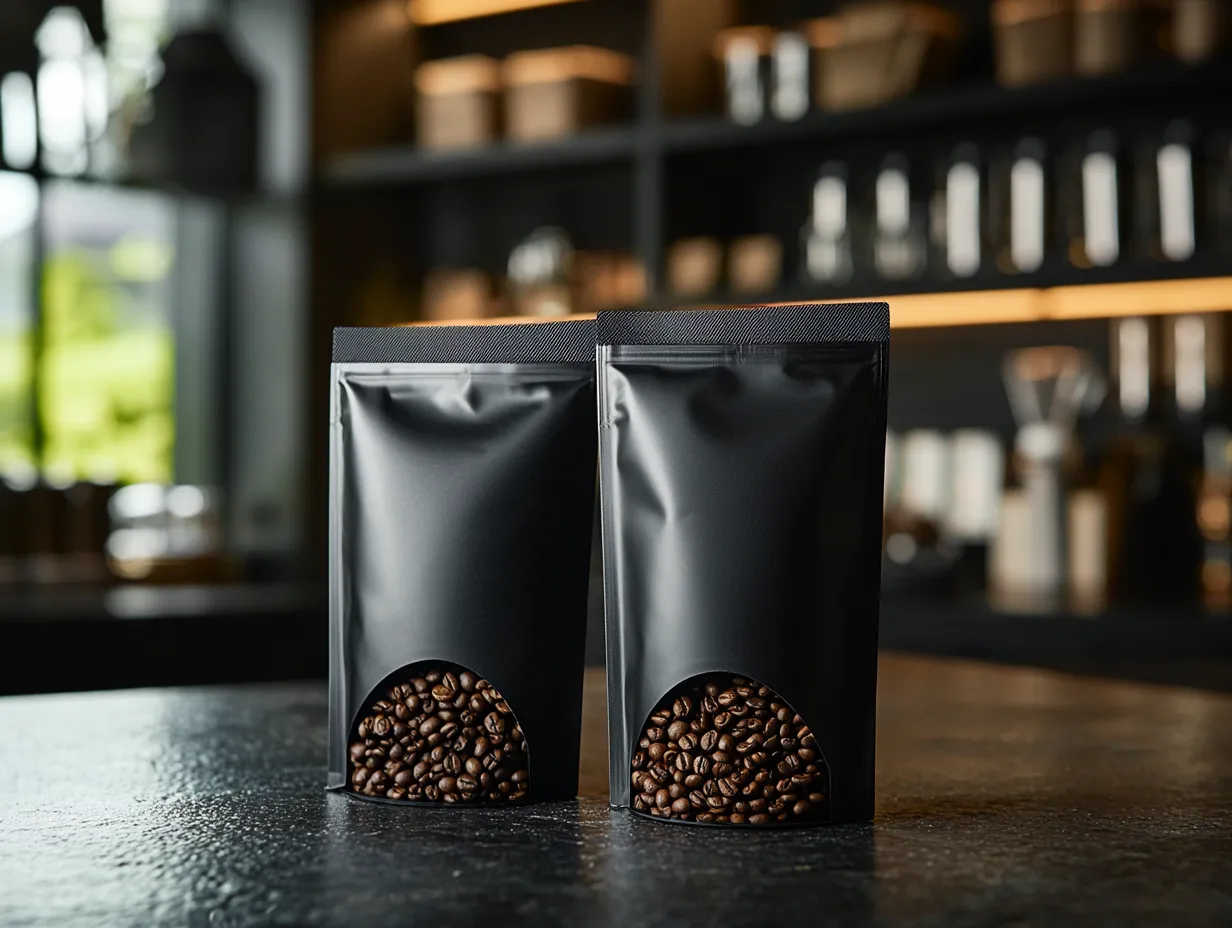
Table of Contents
- Why Coffee & Tea Demand Specialized Packaging
- Freshness: Oxygen, CO₂, and Time
- Bag Formats That Sell in 2026
- Core Equipment: Weighers, Sealers, and Coders
- Nitrogen Flushing and Degassing Valves
- Scaling from 10 lbs/Day to 500 lbs/Day
- Compliance, Labeling, and Traceability
- Conclusion: Building Your 2026 Packaging Line
1. Why Coffee & Tea Demand Specialized Packaging {#section1}
Coffee and tea are deceptively difficult to package. Coffee is hygroscopic, oxygen-sensitive (stales within hours of grinding), and off-gasses CO₂ for days after roasting. Loose-leaf tea loses aromatic top notes quickly when exposed to light and oxygen, and broken leaves at the bottom of a bag erode premium pricing.
The wrong packaging machine—or the right one with the wrong settings—causes stale coffee within weeks, bag puffing from trapped CO₂, aroma loss, leaking seals from oily dark-roast residues, and inconsistent fill weights. For small producers, every failure hits the bottom line: a single bad batch of leaky bags can cost a small roaster thousands in returns and lost wholesale accounts.
This is why 2026 specialty coffee and tea packaging is about creating a controlled, repeatable environment that protects the product from roast to cup—not just filling bags.
2. The Freshness Challenge: Oxygen, CO₂, and Time {#section2}
Freshness depends on oxygen exclusion, moisture control, and (for coffee) gas management.
Oxygen: The #1 Enemy
Oxygen degrades coffee within hours of roasting as oils oxidize, creating the stale taste consumers recognize as "old coffee." Tea faces slower but similar oxidation. Common oxygen-exclusion strategies in 2026:
- Nitrogen flushing — Replacing oxygen in the bag headspace with food-grade nitrogen. A 12 oz coffee bag sees O₂ drop from 21% to under 1% with proper N₂ flushing.
- One-way degassing valves — Allowing CO₂ to escape from freshly roasted coffee while blocking oxygen. These 18-22mm valves are the most recognizable feature of premium coffee bags.
- Vacuum sealing — Less common for whole bean but widely used for ground coffee, capsules, and certain tea formats.
CO₂: Coffee's Unique Challenge
Freshly roasted coffee releases significant CO₂ for 3-14 days (4-6 L/kg in the first 24 hours for a typical medium roast). If trapped, the bag can puff or burst. The 2026 solution: degas the coffee before packaging (24-72 hours in open bins), then use degassing valves for whole bean and nitrogen flushing for ground coffee.
Moisture and Light
Both products need packaging that blocks moisture and UV light—typically foil-lined bags (mylar or aluminum laminate) for premium positioning, kraft paper with inner liner for an earthy aesthetic, or compostable PLA/PBAT films for sustainable brands (though barrier performance still lags traditional films). Resealable zippers and tin ties add convenience. See our organic & natural food packaging guide for compostable film compatibility.
3. Bag Formats That Sell in 2026 {#section3}
Flat-bottom (box) bags are the premium retail choice—they stand upright, present a large printable face, and accommodate degassing valves. Common sizes: 250g, 500g, 1kg, 5lb. Box bags command a 15-25% retail premium.
Side-gusset bags are the coffee industry's workhorse—fold flat for shipping, expand to hold product, and work with most semi-automatic VFFS equipment. Ideal for 1lb, 5lb, and 12oz SKUs.
Doy pack (stand-up pouches) are popular for tea and single-serve coffee. Pillow bags are the most economical—ideal for 1lb-5lb wholesale bags and bulk green coffee. Format choice impacts machine selection: flat-bottom bags require different feeding and sealing than pillow bags, and not all semi-automatic machines handle both.
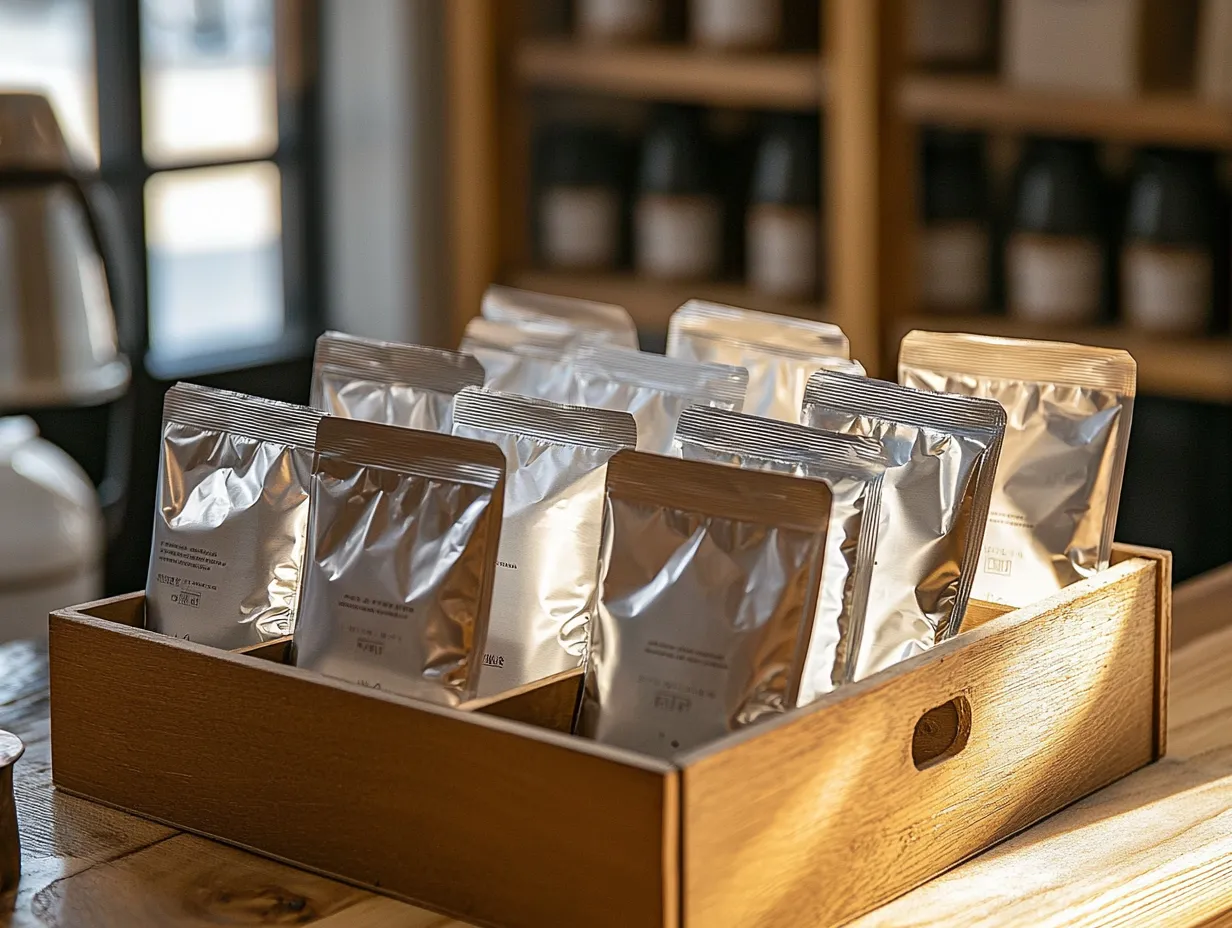
Premium Coffee Packaging Solutions
Stand-up pouches, flat-bottom bags, and side-gusset formats for specialty coffee roasters. Nitrogen-flush ready with degassing valve support.
View Details →4. Core Equipment: Weighers, Sealers, and Coders {#section4}
A complete semi-automatic coffee or tea line typically includes three to four core machines. Browse our food packaging machines and production line catalogs.
Multi-Head Weigher or Linear Scale
A 10- or 14-head multi-head weigher delivers ±0.5g accuracy at 30-60 cycles per minute—the sweet spot for small to mid-sized roasters. The combination weigher matters for irregularly shaped products like whole bean coffee, where volumetric cup fillers struggle. For tea blends with large leaves, nuts, or fruit, a linear scale with bucket conveyor is gentler. See our multi-head weigher selection guide.
VFFS or Pre-Made Bag Filling Machine
A VFFS machine suits pillow, gusset, or stick-pack formats. Semi-automatic VFFS machines run 15-30 bags/minute, support nitrogen flushing, and handle film widths from 80mm to 400mm. For pre-made formats (flat-bottom, doy pack, zipper pouches), a pre-made bag filling machine costs more per bag but offers premium retail presentation. See our VFFS vs FFS comparison.
Date Coder and Label Applicator
Every bag needs a lot code, roast date, and best-by date. In 2026, inkjet date coders are standard for fast-moving lines; thermal transfer coders suit premium kraft bags. For retail-ready bags, a semi-automatic label applicator handles the front label and nutrition panel—see our semi-auto vs auto labeling comparison or browse our labeling machines catalog.
5. Nitrogen Flushing and Degassing Valves {#section5}
Nitrogen flushing is the single most impactful technology for extending coffee and tea shelf life. In 2026, integrated nitrogen flushing is available on nearly every semi-automatic VFFS and pre-made bag machine in the SPS catalog.
How it works: the machine fills the bag with product, then injects a measured burst of food-grade nitrogen (typically 99.9% pure) into the headspace before sealing, displacing oxygen and slowing oxidation.
Best practices for 2026 nitrogen flushing:
- Use food-grade nitrogen from a dedicated tank or on-site PSA generator
- Target residual oxygen of 1-2% or lower (headspace oxygen analyzer)
- Flush volume should be 1.5-2x the bag's headspace volume
- For ground coffee, flush before AND after product insertion
- Pair with proper degassing of whole bean coffee (24-72 hours)
For tea, nitrogen flushing is equally valuable but less commonly implemented—often because tea's lower price point makes it seem unnecessary. Nitrogen-flushed green and white teas show measurably better color and aroma retention at 6 months, justifying the modest added cost.
6. Scaling from 10 lbs/Day to 500 lbs/Day {#section6}
The 10-50 lbs/Day stage is the cottage tier — manual weighing plus impulse sealing, producing 50-100 bags/day with one operator for under $5,000. The 50-200 lbs/Day stage adds a semi-automatic VFFS with nitrogen flushing and batch coding at $25,000-$75,000, producing 200-600 bags/day. The 200-500+ lbs/Day stage requires a multi-head weigher, automatic VFFS, nitrogen flushing with degassing valve application, and checkweighing at $150,000-$400,000, producing 1,500-4,000 bags/day with 2-3 operators. Modular design means you can start at stage one and grow. See why small food manufacturers are switching to semi-automatic packaging.
7. Compliance, Labeling, and Traceability {#section7}
Coffee and tea packaging must comply with FDA labeling (net weight, ingredient declaration, allergen labeling, country of origin), USDA organic certification, Fair Trade documentation, and state weights & measures requirements. For FDA compliance on the equipment side, ensure machines meet food-contact material requirements and use food-grade lubricants. See our FDA compliance guide.
In 2026, traceability matters more. Many small roasters implement lot-tracking systems linking each bag to its origin farm and packaging run via unique lot codes, digital records, and recall-readiness protocols.
8. Conclusion: Building Your 2026 Packaging Line {#conclusion}
Coffee and tea packaging in 2026 is no longer a "set it and forget it" decision. The right equipment—correctly configured for your product, format, and volume—separates roasters who scale smoothly from those who fight quality issues. Three principles: start with the product, not the machine; plan for your next stage with modular equipment; and don't skimp on nitrogen flushing and sealing quality.
SPS works with small coffee roasters and tea blenders worldwide to design, supply, and support packaging lines. Explore our complete packaging solutions or request a free quote and our team will help you spec the right equipment for your 2026 production goals.
Need Packaging Equipment?
SPS helps small food manufacturers source reliable packaging equipment at factory prices.
Get a Free Quote →