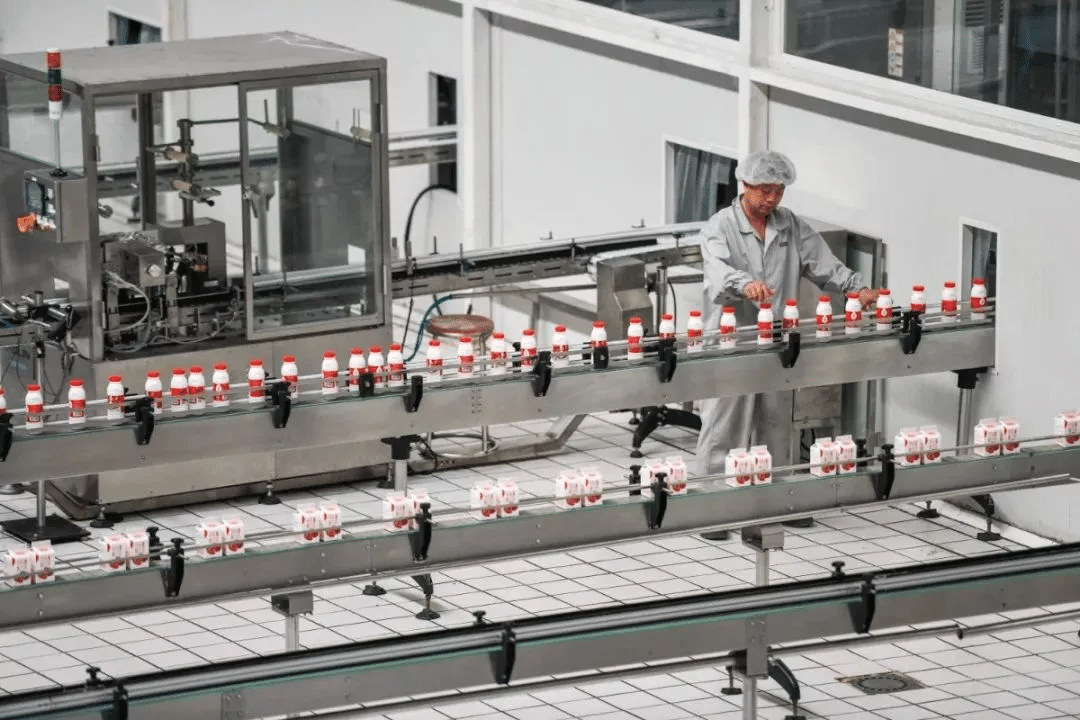
Beverage Packaging Automation: How Small Drink Producers Can Scale Without Breaking the Bank
The beverage industry is booming. From craft cold-brew coffee to kombucha, from artisanal hot sauce to flavored water — small drink producers are popping up everywhere. But there's a problem most new beverage founders don't anticipate: packaging is where margins go to die.
If you're bottling 500 to 5,000 units per day, you're stuck in an awkward middle ground. Manual filling is too slow and inconsistent. A fully automated packaging line costs $300,000 or more. And every day you wait, your competitors are shipping faster and looking more professional on the shelf.
The good news? There's a sweet spot of semi-automatic beverage packaging equipment that can triple your output at a fraction of the cost. Here's exactly how it works.
Why Beverage Packaging Is Unique
Unlike dry goods, beverages come with special challenges:
- Liquid handling: Spills, drips, and overflow waste product and create mess
- Hygiene requirements: FDA and state health codes demand sanitary filling environments
- Container variety: Glass bottles, PET bottles, cans, pouches — each needs different handling
- Label compliance: Nutrition facts, barcodes, batch codes — all must be perfectly placed
- Speed pressure: Retailers expect consistent supply with short lead times
This is why generic packaging equipment often fails for beverage producers. You need drink-specific packaging solutions designed for liquids, bottles, and the unique demands of the beverage industry.
The 3 Equipment Every Small Beverage Producer Needs
1. A Semi-Automatic Filling Machine
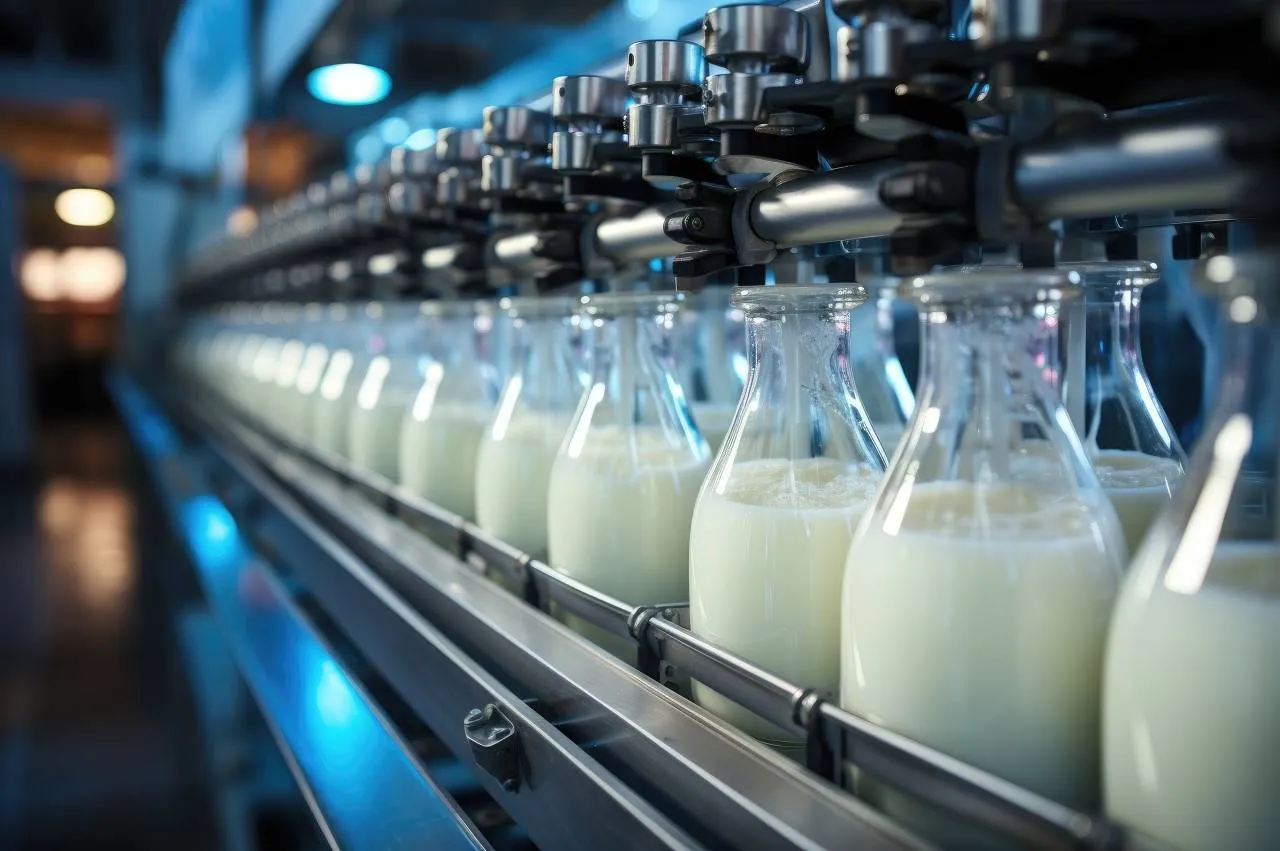
The heart of any beverage packaging line is the filler. For small producers, a semi-automatic liquid filler handles 20-40 bottles per minute — compared to 5-10 by hand filling. Look for:
- Piston fillers for viscous liquids (sauces, syrups, smoothies)
- Gravity fillers for thin liquids (water, juice, spirits)
- Overflow fillers for consistent fill levels in clear bottles
A good semi-auto filler costs $5,000-$15,000 and pays for itself in labor savings within 3-4 months.
2. A Bottle Labeling Machine
Hand-labeling looks unprofessional and wastes time. A semi-automatic bottle labeler handles round bottles, square bottles, and even tapered containers. Key features to look for:
- Wrap-around labeling for round bottles at 25-50 bottles/minute
- Consistent placement ±0.5mm accuracy
- Quick changeover between bottle sizes
- Optional date/batch code printing
3. A Capping Machine
Hand-tightening caps is the biggest bottleneck in most small beverage operations. A semi-automatic capping machine ensures consistent torque, proper seal, and professional appearance. This is critical for:
- Food safety: Proper seals prevent contamination
- Shelf life: Correct torque extends product freshness
- Customer experience: Easy-to-open but secure caps
Real Numbers: What Semi-Auto Beverage Packaging Actually Costs
Here's a typical investment breakdown for a small beverage producer scaling from manual to semi-automatic:
- Semi-auto liquid filler (4-head): $8,000 - $12,000
- Bottle labeler (wrap-around): $3,000 - $5,600
- Semi-auto capping machine: $2,500 - $4,000
- Conveyor belt (optional): $2,000 - $4,000
- Total investment: $15,500 - $25,600
Compare that to a fully automated line at $250,000+. The semi-auto approach gives you 80% of the throughput at 10% of the cost.
Case Study: How One Cold-Brew Startup Cut Costs 42%
"We were hand-filling 200 bottles a day with 4 people. After adding a semi-auto filler and labeler from SPS, we're doing 1,500 bottles a day with 2 people. Our packaging cost per unit dropped from $1.20 to $0.45."
This isn't unusual. Most small beverage producers see:
- 3-5x throughput increase within the first week
- 40-60% labor cost reduction on packaging operations
- Consistent fill weights that reduce product giveaway by 15-20%
- Professional labeling that gets picked up by retail buyers
Choosing the Right Equipment for Your Drink Type
Different beverages need different packaging approaches:
- Water & spirits: Gravity filling, high-speed labeling, screw caps
- Juice & smoothies: Overflow filling for level consistency, tamper-evident caps
- Cold-brew coffee: Piston filling (viscosity matters), flat caps or corks
- Hot sauce & condiments: Piston filling, shrink bands, safety seals
- Kombucha & fermented: Pressure-aware filling, vented caps, carbonation considerations
The key is matching packaging equipment to your specific product characteristics — viscosity, carbonation, temperature, and container type.
Next Steps: Start Scaling Your Beverage Packaging
Here's your action plan:
- Audit your current process: How many bottles/hour? How many operators? What's your error rate?
- Identify the bottleneck: Is it filling speed? Labeling accuracy? Capping consistency?
- Request a product test: Send your actual product to a packaging equipment supplier — let them run it through their equipment
- Start with one machine: The filler usually gives the biggest ROI. Add labeling and capping as revenue grows
- Plan for retail: Consistent, professional packaging gets you on store shelves
Ready to Upgrade Your Beverage Packaging Line?
Get a free consultation. Tell us your product type, daily volume, and current setup — we'll recommend the right semi-auto equipment.
Request Free Quote